You’ve found the perfect space for your business. The location fits your needs and the rent looks affordable on paper. But before you sign, there’s a critical step many Pittsburgh tenants miss in the excitement of a move: a professional commercial lease review.
This process can save you thousands of dollars over the lease term. Commercial landlords write leases to protect their own interests, not yours, often with experts drafting these complex documents. If you sign without looking closely, you might agree to hidden fees or lose the flexibility you need to grow your company later.
Most business owners think the monthly rent is the only number that matters, but your total cost involves much more. You need to understand common area fees, repair responsibilities, and insurance requirements. This is where expert help becomes your best financial defense, identifying potential pitfalls buried in the fine print so you can sign with confidence.

Understanding the Commercial Lease Review
A commercial lease review is a complete analysis of your rental agreement that goes far beyond checking start and end dates. Your advisor examines every clause to see how it affects your bottom line and compares your specific offer to what other Pittsburgh tenants are paying right now.
This process highlights terms that are unfair or risky. For example, some agreements force you to pay for the landlord’s capital improvements, meaning you could end up buying them a new HVAC system. A proper lease audit spots these traps before they become your problem.
Commercial lease language is often dense and confusing by design. Your advisor translates this legal text into clear business math, letting you make smart decisions based on facts rather than pressure. This is distinct from residential leases. Commercial property leases are much less regulated, and the law assumes business owners know what they’re doing, providing fewer automatic protections.
What’s Included in the Review?
A thorough review breaks the contract down into several key areas. First is your base rent analysis, checking if the rate per square foot matches the current Pittsburgh market. Next comes a close look at operating expenses, which is often where tenants lose the most money without realizing it. Our guide on lease operating expenses breaks down exactly how these charges work and where overcharges tend to hide.
One common agreement type is a triple net lease, where tenants pay for utilities and maintenance on top of rent. Without caps on these costs, your monthly bill could skyrocket unpredictably. Another format is the gross lease, where the landlord covers most expenses but the base rent is higher.
There’s also the matter of exit strategies. Your business might grow faster than expected or need to downsize. You need a fair termination clause that allows flexibility if things change. Without this, you could be stuck paying for empty space for years.
| Lease Element | Why It Matters |
|---|---|
| Escalation Clauses | Determines how much your rent increases each year |
| Common Area Maintenance (CAM) | Fees for lobby, parking, and hallway upkeep |
| Assignment Rules | Whether you can sell your business and transfer the lease |
| Tenant Improvements | Who pays to build out the office to fit your needs |
| Exclusivity Clause | Prevents competitors from leasing space in the same center |
We also examine subleasing rights. You might want to sublease to another tenant if you have extra room, but some leases strictly forbid this or make it very difficult. We ensure you have options to bring in help with the rent if needed.
Finally, we check property condition and repair duties, including whether your building’s maintenance track record matches what you’re paying for in CAM charges. If you’re already noticing slow repairs or neglected common areas, it’s worth reading Is Your Building Being Managed Properly? alongside your lease review. You shouldn’t be responsible for fixing structural issues you didn’t cause, and we verify who pays the property taxes associated with the building.
Why a Review Is Essential Right Now
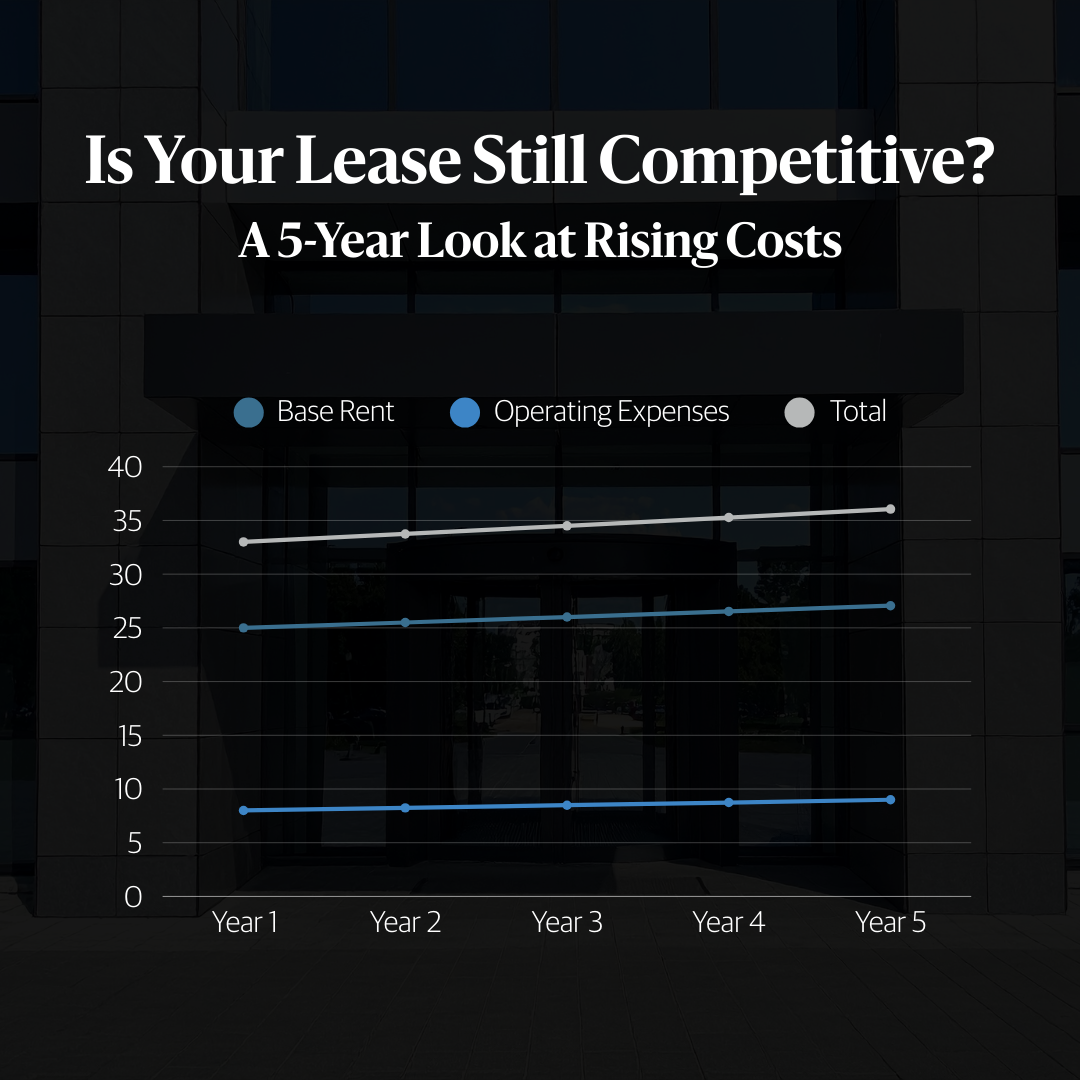
The Pittsburgh office market has changed drastically in recent years. What was a fair deal in 2019 might be overpriced today. Operating expenses are also rising due to inflation, making pass-through costs in your lease more dangerous than before. You need strong protection caps to keep your budget safe, and a generic lease won’t have these protections built in.
Loyalty doesn’t usually equal better pricing in commercial real estate. Long-term tenants often pay above market rates because they never ask for a review. If you’re approaching a renewal date, this is doubly true. Our article on what tenants get wrong about lease renewals covers this pattern in more detail. Additionally, you must verify that insurance requirements are realistic, as insurance markets are volatile right now.
The Risk of Paying Above Market Rate
Many businesses bleed money simply because they didn’t benchmark their costs. Imagine signing a five-year renewal at a 3% annual increase when the market for your building actually dropped. You’d be overpaying significantly every single month.
Another risk comes from poorly defined square footage. Sometimes landlords charge for space that’s not usable for your team. Measuring the efficiency of the floor plan is part of due diligence. You want to pay for the space you actually use.
Misunderstood restoration clauses can also be costly. Some leases require you to return the office to its original condition when you leave, which could mean paying to tear down walls you built. Negotiating this clause upfront saves you a massive exit bill.
Failing to identify zoning issues can also hurt you. You must confirm the property is zoned for your specific business purposes, as a lease is legally binding even if the city shuts your operation down.
The Financial Impact of a Great Review
A skilled review does more than avoid risk. It creates value. We often find ways to get landlords to pay for your renovations, keeping cash in your business where it belongs. We also look for free rent concessions, which are common in today’s market if you know how to ask.
Catching billing errors is another significant benefit. Landlords make mistakes when calculating complex operating expenses, and if your lease is vague, you have no way to audit them. We advocate for clear audit rights so you can double-check the math. We’ve helped Pittsburgh clients across industries, from law firms to engineering practices, uncover exactly these kinds of gaps. You can read some of their stories on our case studies page.
We also review how rent payments are processed, including grace periods and what happens if a payment issue arises. Clear terms regarding late fees prevent small mistakes from becoming expensive penalties.
Market Awareness and Expertise
You’re an expert at running your business, but you likely don’t track commercial real estate trends daily. Tenant representatives do exactly that, knowing which Pittsburgh buildings are desperate for tenants and which are stable. This market knowledge gives you leverage in any commercial lease negotiation.
When landlords know you have representation, they behave differently. They know they can’t slip unfavorable terms past experienced advisors. Sometimes you need legal eyes on specific language too, and while tenant reps handle business terms, they often work alongside legal teams during reviews. This partnership covers you from all angles.
A commercial real estate attorney focuses specifically on these contracts, which is different from a general attorney who might miss industry-specific norms. The right team helps you find appropriate legal support when the transaction requires it.
Avoiding Surprises in the Fine Print
The worst time to learn about a lease clause is when something breaks. Imagine the air conditioning dies in August, and the landlord points to a page saying it’s your job to replace it. That’s a ten-thousand-dollar surprise you didn’t plan for.
We check for holdover clauses that penalize you heavily if you stay even one day past your lease end, sometimes doubling your rent. We negotiate these terms to be reasonable so you don’t get punished for small delays.
We also look at relocation clauses. Some landlords reserve the right to move your office to a different floor, which can disrupt operations and branding. We fight to remove or limit these rights to keep your business stable.
Notice requirements are another critical area. Often, the address required for official notices is buried in the text, and sending your cancellation letter to the wrong office could void your exit. We highlight these key terms so you never miss a deadline.

Clarifying Landlord vs. Tenant Obligations
Confusion creates conflict. Your lease needs to list exactly who does what: who cleans the bathrooms, who fixes roof leaks, who pays for trash removal. In many standard leases, these lines are blurry. The landlord might say structural repairs are their job but claim a roof leak is maintenance, arguing that maintenance is yours.
We force these definitions to be specific, removing gray areas that lead to arguments and ensuring tenant responsibilities are fair and standard. This clarity is vital for your annual budgeting. You can’t plan for growth if building costs fluctuate wildly. Fixed definitions give you predictable overhead costs, allowing you to hire new staff or invest in marketing.
We also check if the property owner has adequate insurance. If the building burns down, you need to know how quickly they must rebuild. Commercial leases should protect your ability to resume business quickly.
Contact Donahue Real Estate Advisors for a Complimentary Commercial Lease Review and Financial Analysis
Don’t let a poorly negotiated lease drain your profits or limit your growth. At Donahue Real Estate Advisors, we specialize in tenant representation. This means we work exclusively for you, not landlords. We have no conflicts of interest, ensuring every decision is made with your best interests in mind.
Our team conducts meticulous lease reviews to identify hidden costs, unfavorable terms, and missed opportunities for savings. We analyze every clause, from escalation terms and CAM charges to assignment rights and restoration requirements. Whether you’re considering a new lease or renewing your current space, we’ll ensure the terms work for your business, not against it.
We guide you through the entire process, from market analysis and space evaluation to negotiating favorable lease terms that protect your bottom line. Our expertise in the Pittsburgh commercial real estate market gives you the leverage you need to secure better rates, stronger protections, and terms that support your future growth.
FAQs
Do I need a lawyer to review my lease?
It’s highly recommended to have professional support. While a broker handles business terms, a real estate attorney checks legal liabilities. Working with experienced advisors prevents costly mistakes that could impact your business for years.
How is a commercial lease different from a residential one?
Residential leases have many consumer protections built in by law, but commercial lease agreements don’t. The courts assume business entities can protect themselves, so you must carefully examine every word before signing.
What is an exclusivity clause?
An exclusivity clause prevents the landlord from renting to your direct competitors, which is vital for retail leases in shopping centers. You don’t want a competitor opening next door, so this must be negotiated into your lease provisions.
What is a holdover clause?
This clause dictates what happens if you stay past the lease expiration and usually involves a significant rent hike. Tenant representatives negotiate this down to ensure you’re not penalized excessively for timing issues beyond your control.
What should I look for in a commercial lease before signing?
Most tenants focus on the rent, but the real cost is buried in the details. Before signing anything, look closely at operating expenses, escalation clauses, maintenance responsibilities, and what happens if you need to grow or downsize. A lease review helps you understand the total cost, not just the base rent, so nothing catches you off guard later.
How do I know if I’m paying above market rent?
The easiest way to tell is by benchmarking your lease against current market data. Most tenants never do this, which is how they end up overpaying. A tenant rep compares your rate to similar spaces in your area and checks whether your terms match what other tenants are actually getting right now, not what the landlord says is standard.
Is a lease review helpful even if I’m renewing my existing space?
Absolutely. Renewals are where many tenants overpay because they assume loyalty equals better terms, but it usually doesn’t. Market conditions may have shifted dramatically since your last negotiation, and a renewal without a review can lock you into above-market pricing for years.
Is a lease review worth it for small businesses?
Yes, especially for small business owners. They feel cost increases the hardest. A single poorly structured clause, like uncapped CAM fees or full HVAC replacement responsibility, can cost tens of thousands of dollars. A review protects your cash flow and reduces risk.
Conclusion
Your lease is one of the biggest financial commitments your company will make, and treating it casually is a gamble you can’t afford. Pittsburgh market conditions change constantly, and you need a deal that reflects reality. A commercial lease review protects your bottom line and gives you peace of mind.
Don’t sign a renewal or new deal without support. The savings from a proper review often pay for the service many times over, protecting your business future by ensuring you understand exactly what you’re signing. Whether you’re exploring new property options or staying put, get expert help to negotiate terms effectively and avoid costly landlord tactics.